Exploring the realm of Sustainable African Safari Companies Leading in Conservation sheds light on the crucial role these companies play in preserving the rich biodiversity of Africa. From innovative conservation projects to community involvement, the journey of these safari companies is both inspiring and essential for the protection of African wildlife.
Delving deeper, we uncover the strategies and challenges faced by these companies in their mission to uphold sustainable practices and safeguard the natural habitats of the continent's iconic species.
Overview of Sustainable African Safari Companies
Sustainable tourism in Africa focuses on minimizing the negative impact on the environment and local communities while promoting conservation and responsible travel practices.
Key Characteristics of Safari Companies Focusing on Conservation
- Commitment to wildlife protection and habitat preservation
- Engagement with local communities to ensure their involvement and benefit from tourism
- Implementation of eco-friendly practices in safari operations
- Educating guests on the importance of conservation and wildlife protection
- Supporting conservation initiatives through partnerships with local organizations
Importance of Conservation Efforts in the Safari Industry
Conservation efforts in the safari industry are crucial to preserving Africa's unique biodiversity and protecting endangered species. By promoting sustainable practices, safari companies can help maintain the delicate balance of ecosystems and support the long-term viability of wildlife populations.
Leading African Safari Companies in Conservation
Several African safari companies have taken the lead in conservation efforts, integrating sustainability practices into their operations to protect wildlife and preserve natural habitats.
African Safari Companies Profiles
- andBeyond:Known for their commitment to conservation, andBeyond operates luxury safari lodges and camps across Africa. They have various initiatives such as the Rhinos Without Borders project, which translocates rhinos to safe habitats to ensure their survival.
- Wilderness Safaris:Wilderness Safaris focuses on conservation and community empowerment. They run numerous projects like the Children in the Wilderness program, educating local youth about wildlife and environmental conservation.
- Great Plains Conservation:This company is dedicated to protecting threatened species and ecosystems. Great Plains Conservation collaborates with local communities to establish conservation areas and sustainable tourism practices.
Successful Conservation Projects
- Anti-Poaching Initiatives:Many safari companies fund and support anti-poaching efforts to combat illegal wildlife trade and protect endangered species like elephants and rhinos.
- Habitat Restoration:Companies engage in habitat restoration projects to rehabilitate degraded lands and create safe environments for wildlife to thrive.
- Community Involvement:Conservation projects often involve local communities, providing employment opportunities and incentives for conservation practices.
Comparing Conservation Approaches
- Emphasis on Species Protection:Some companies focus on protecting specific species, while others prioritize habitat conservation for overall ecosystem health.
- Partnerships and Collaborations:Companies may differ in their approach to partnerships with local communities, NGOs, and government agencies to achieve conservation goals.
- Educational Programs:The integration of educational programs varies among safari companies, with some placing a strong emphasis on raising awareness and educating visitors about conservation issues.
Impact of Conservation Efforts
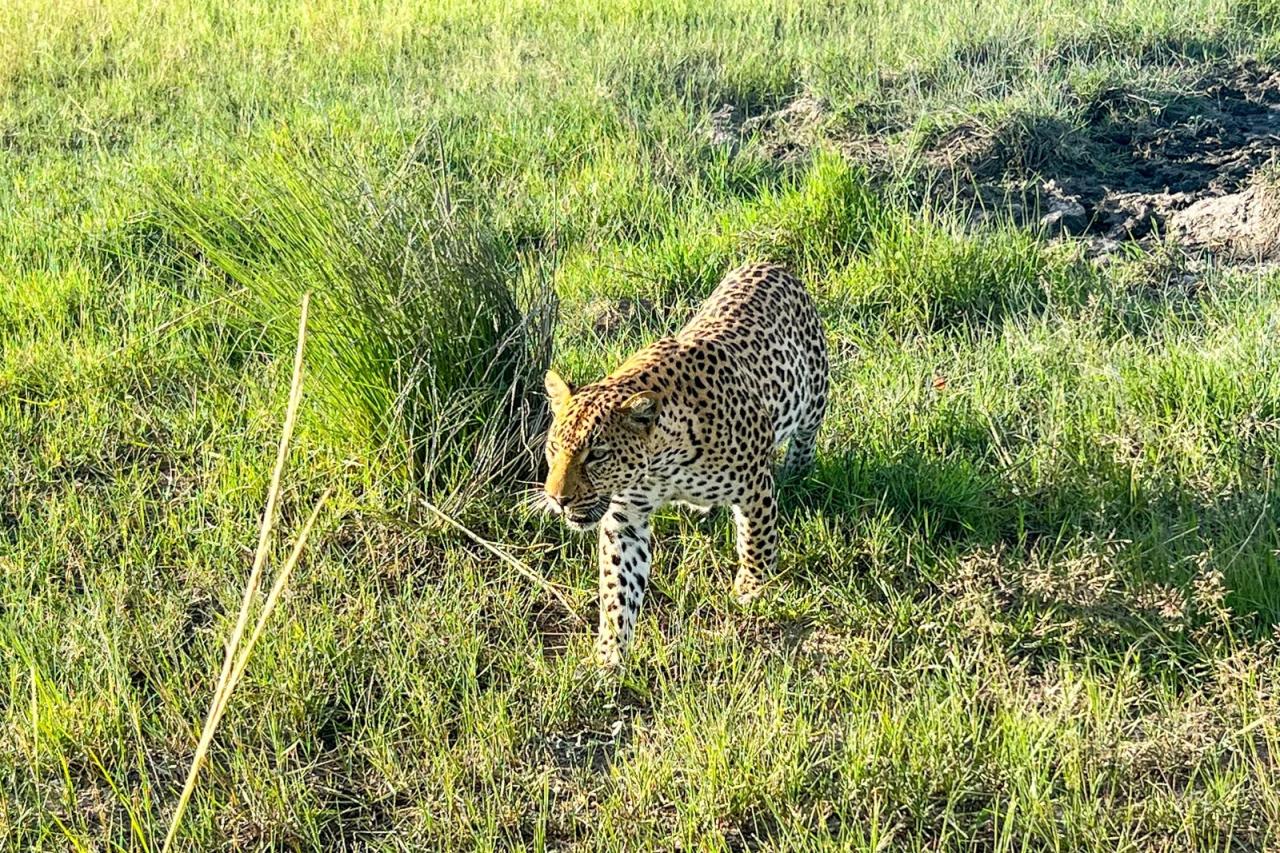
Conservation efforts by safari companies play a crucial role in preserving biodiversity and protecting African wildlife for future generations. These initiatives not only focus on safeguarding endangered species but also contribute to the overall health of ecosystems and the well-being of local communities.
Contributions to Biodiversity Preservation
Conservation efforts by sustainable African safari companies help maintain the delicate balance of ecosystems by protecting habitats, preventing poaching, and promoting sustainable tourism practices. By conserving natural resources and wildlife, these companies ensure the survival of a diverse range of species and maintain the richness of biodiversity in Africa.
- Implementing anti-poaching measures to combat illegal wildlife trade
- Restoring degraded habitats to provide safe spaces for wildlife to thrive
- Supporting research and monitoring programs to better understand and protect endangered species
- Engaging in community education and outreach to raise awareness about the importance of conservation
Role of Local Communities
Local communities play a crucial role in sustainable conservation practices by serving as stewards of the land and wildlife. Through partnerships with safari companies, these communities are empowered to participate in conservation efforts, benefit from ecotourism, and develop sustainable livelihoods that are in harmony with nature.
- Engaging in community-based conservation projects to involve local residents in wildlife protection
- Creating employment opportunities and income-generating activities through eco-friendly tourism
- Providing education and training on conservation practices to enhance community involvement
- Respecting indigenous knowledge and traditional practices that contribute to conservation efforts
Long-Term Benefits on African Wildlife
The long-term benefits of conservation initiatives on African wildlife are significant, as they ensure the survival and prosperity of diverse species in their natural habitats. By preserving ecosystems and promoting sustainable practices, safari companies contribute to the overall health and resilience of African wildlife populations.
- Maintaining biodiversity for future generations to enjoy and appreciate
- Protecting endangered species from extinction and restoring populations to healthy levels
- Enhancing ecotourism opportunities that support wildlife conservation efforts financially
- Creating a legacy of environmental stewardship and ethical wildlife management practices
Challenges and Solutions in Conservation
Conservation efforts in the safari industry face various challenges that can hinder the progress of sustainable practices. However, innovative solutions and collaboration between safari companies, local communities, and governmental organizations are key to overcoming these obstacles and ensuring successful conservation outcomes.
Challenges Faced by African Safari Companies
African safari companies encounter challenges such as:
- Lack of funding for conservation initiatives
- Human-wildlife conflict
- Poaching and illegal wildlife trade
- Habitat loss and degradation
Solutions to Conservation Challenges
To address these challenges, safari companies can implement the following innovative solutions:
- Developing sustainable tourism practices to generate funding for conservation
- Implementing community-based conservation programs to reduce human-wildlife conflict
- Enhancing anti-poaching efforts through technology and community engagement
- Restoring and protecting critical habitats through reforestation and land management strategies
Importance of Collaboration for Successful Conservation
Collaboration between safari companies, local communities, and governmental organizations is crucial for achieving conservation goals. This collaboration can:
- Facilitate the sharing of resources and expertise
- Promote sustainable development and livelihoods for local communities
- Enhance enforcement and monitoring of conservation efforts
- Foster a sense of shared responsibility and ownership of conservation initiatives
Final Thoughts
In conclusion, the dedication of Sustainable African Safari Companies Leading in Conservation exemplifies a harmonious blend of eco-tourism and wildlife preservation. As we look towards the future, their efforts stand as a beacon of hope for the continued existence of Africa's magnificent fauna and flora.
FAQs
How do safari companies contribute to biodiversity preservation?
Safari companies support conservation through habitat protection, anti-poaching measures, and community engagement to ensure the sustainability of wildlife populations.
What are some challenges faced by African safari companies in conservation efforts?
Challenges include balancing tourism with conservation, combating poaching, and navigating political and economic pressures that threaten natural habitats.
Why is collaboration important for successful conservation in the safari industry?
Collaboration between safari companies, local communities, and government entities is vital to address conservation challenges effectively, ensuring long-term protection of wildlife and habitats.