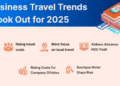
Delving into Business Travel Trends 2025: What Companies Are Doing Differently, this introduction immerses readers in a unique and compelling narrative. The evolving landscape of business travel post-2020 has sparked changes in how companies approach travel policies, integrating sustainability practices, leveraging technology, adapting to remote work, and prioritizing health and safety measures.
This overview sets the stage for a deep dive into the future of corporate travel.
Evolving Business Travel Needs

In the wake of the global changes brought about by the pandemic, the landscape of business travel has undergone a significant transformation. Companies are now reevaluating their travel policies to adapt to the new needs and challenges that have emerged.
Technology has played a crucial role in shaping these evolving trends, offering innovative solutions to facilitate business travel in a post-2020 world.
Changing Landscape of Business Travel
- Remote Work Impact: The rise of remote work has led to a reevaluation of the necessity of in-person meetings and conferences, resulting in a shift towards virtual alternatives.
- Health and Safety Protocols: Companies are prioritizing the health and safety of their employees, implementing strict protocols for travel, accommodation, and meetings.
- Sustainable Practices: With a growing focus on sustainability, companies are exploring eco-friendly travel options and reducing their carbon footprint.
Adaptation of Travel Policies
- Flexible Booking Options: Companies are opting for flexible booking policies to accommodate last-minute changes and uncertainties in travel plans.
- Remote Collaboration Tools: The integration of remote collaboration tools has enabled virtual meetings and conferences, reducing the need for frequent business travel.
- Employee Well-being: Companies are emphasizing the well-being of their employees, offering mental health support and resources during business travel.
Impact of Technology
- Virtual Reality: Virtual reality technology is being utilized to create immersive virtual meetings and site visits, offering a realistic alternative to physical travel.
- Mobile Apps: Travel management apps provide employees with real-time updates, itinerary details, and contactless solutions for a seamless travel experience.
- Data Analytics: Companies are leveraging data analytics to optimize travel expenses, identify trends, and make informed decisions regarding business travel.
Sustainability in Business Travel
In recent years, the focus on sustainability has become increasingly important in all aspects of business, including travel. Companies are now integrating sustainability practices into their travel strategies to reduce their impact on the environment and meet the expectations of eco-conscious consumers.
Integration of Sustainability Practices
Companies are incorporating sustainability into their travel policies by promoting the use of eco-friendly accommodations and transportation options. This includes partnering with hotels that have implemented green initiatives, such as energy-efficient systems and waste reduction programs. Additionally, companies are encouraging employees to opt for public transportation, carpooling, or even cycling when traveling for business to minimize carbon emissions.
Role of Eco-Friendly Accommodations and Transport
The choice of eco-friendly accommodations and transport plays a crucial role in reducing the carbon footprint of corporate travel. By selecting hotels with green certifications or eco-friendly practices, companies can support sustainable tourism and contribute to the preservation of the environment.
Similarly, utilizing electric or hybrid vehicles for business trips helps lower greenhouse gas emissions and promotes a more sustainable mode of transportation.
Importance of Carbon Footprint Reduction
Reducing the carbon footprint of corporate travel is essential for companies looking to demonstrate their commitment to environmental responsibility. By tracking and offsetting carbon emissions from business trips, organizations can mitigate their impact on climate change and align with global sustainability goals.
Implementing carbon reduction strategies not only benefits the environment but also enhances the reputation of companies as socially responsible entities in the eyes of stakeholders.
Technology and Automation
Companies in the business travel sector are increasingly leveraging technology to streamline travel booking processes, making them more efficient and user-friendly. By implementing advanced booking systems and mobile applications, companies are able to provide their employees with a seamless booking experience, allowing them to easily book flights, accommodations, and transportation with just a few clicks.
Role of AI and Machine Learning
- AI and machine learning play a significant role in enhancing business travel experiences by providing personalized recommendations based on individual preferences and past travel history.
- These technologies can analyze vast amounts of data to predict travel patterns, optimize itineraries, and suggest the most cost-effective options for corporate travel.
- By utilizing AI-powered chatbots, companies can also offer 24/7 assistance to travelers, helping them with real-time updates, booking changes, and any other travel-related queries.
Impact of Automation on Cost-saving Measures
- Automation has had a profound impact on cost-saving measures in corporate travel by reducing manual intervention and minimizing human errors in booking processes.
- Automated expense management systems can track and analyze travel expenses in real-time, ensuring compliance with company policies and identifying areas where cost-saving opportunities exist.
- Additionally, automation can streamline the reimbursement process for employees, making it faster and more efficient, ultimately leading to significant cost savings for companies.
Remote Work Policies and Virtual Meetings
The rise of remote work has significantly influenced business travel decisions in recent years. With advancements in technology, many companies have shifted towards virtual meetings as a way to conduct business without the need for extensive travel.
Shift Towards Virtual Meetings
Virtual meetings have become increasingly popular as a cost-effective and efficient alternative to in-person meetings. This shift has helped reduce travel frequency for employees, saving time and resources for companies.
Maintaining Client Relationships
Companies have developed strategies to maintain strong client relationships without the need for extensive travel. Virtual meetings, regular communication through video conferencing, and personalized interactions have proven to be effective in keeping clients engaged and satisfied.
Health and Safety Measures
In the wake of the global pandemic, health and safety measures have become a top priority for companies when it comes to business travel. Ensuring the well-being of employees while they are on the road is crucial for both their safety and the company's reputation.
Implementation of Health and Safety Protocols
Companies are implementing strict health and safety protocols to protect their employees during business travel. This includes providing personal protective equipment (PPE) such as masks and hand sanitizers, as well as guidelines on social distancing and hygiene practices. Some companies are even requiring pre-travel health screenings to ensure that employees are fit to travel.
Ensuring Traveler Well-being
To ensure traveler well-being, companies are offering support services such as access to healthcare professionals, mental health resources, and emergency assistance hotlines. They are also providing flexibility in travel arrangements, allowing employees to change or cancel plans in case of health concerns.
Role of Crisis Management Plans
Crisis management plans play a vital role in handling unexpected travel disruptions, especially during emergencies or natural disasters. Companies are creating detailed plans that Artikel steps to be taken in case of emergencies, including evacuation procedures, communication protocols, and support for affected employees.
These plans help companies respond swiftly and effectively to ensure the safety of their travelers.
Concluding Remarks
As we conclude our exploration of Business Travel Trends 2025: What Companies Are Doing Differently, it becomes evident that the way businesses approach travel is undergoing a significant transformation. From sustainability initiatives to technological advancements, remote work policies to health and safety measures, the landscape of corporate travel is evolving rapidly.
Companies are embracing these changes to stay competitive and ensure the well-being of their travelers. The future of business travel is indeed an exciting journey ahead.
Answers to Common Questions
How are companies adapting their travel policies post-2020?
Companies are adjusting their travel policies to align with new needs, such as incorporating flexibility, health and safety measures, and sustainable practices.
What is the role of AI and machine learning in enhancing business travel experiences?
AI and machine learning are being used to personalize travel experiences, optimize bookings, provide real-time assistance, and predict traveler preferences.
How are companies maintaining client relationships without extensive travel?
Companies are utilizing virtual meetings, communication tools, and targeted strategies to nurture client relationships effectively in the absence of frequent travel.
Why is reducing carbon footprint important in corporate travel?
Reducing carbon footprint in corporate travel is crucial for sustainability efforts, meeting environmental goals, and minimizing the impact of business operations on the environment.
How are health and safety protocols implemented in business travel?
Companies are implementing strict hygiene measures, health screenings, and contingency plans to ensure traveler well-being and mitigate risks during trips.